Keywords
Screenprint
Food Waste
Ink Making
How to Cite
Abstract
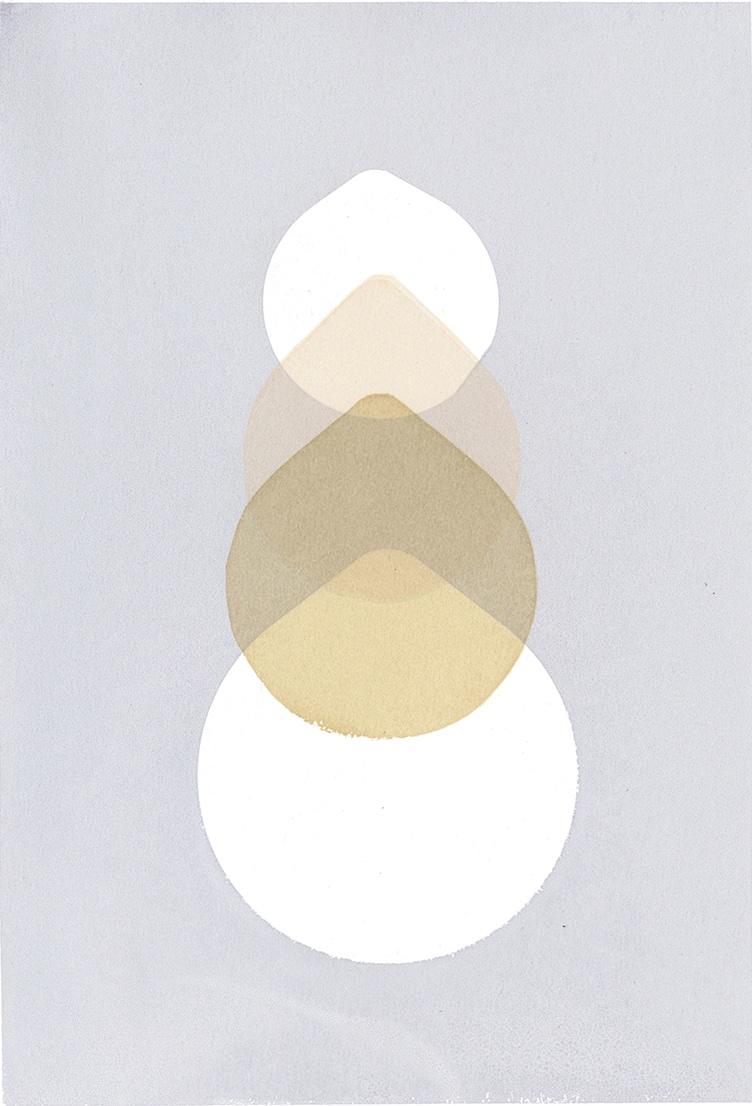
The body of work ‘Enough on our Plates’ was developed during an artist’s residency with a social enterprise that redistributes so-called waste food within Sheffield. The project culminated in multi-coloured screen prints using inks made from disposed food. Life-size images of salvaged - and yet - edible food were printed using a colour palette dictated by inks derived from compostable waste foodstuffs. These unique botanical inks’ muted tones defined the character and subtlety of intended messages about impactful statistics on food waste issues in the UK.
Tonnes of food is disposed of before it ever reaches a consumer. Some misconceptions include that food is only thrown away in supermarkets when it is near or past its sell-by date, but often, it is cleared off shelves as stocks change, seasons shift, and consumer demand progresses. This leads to vast sums of edible food becoming an expensive storage problem for businesses; the cheapest option being to dispose of it. The environmental impact of plane travel is widely understood, but consumers know less about how having shelves of fresh and varied food available everyday also has a significant impact.
‘Food waste emits three times more carbon than aviation.’ (Ritchie, 2020)
References
Meijer, R. (2023) Food Works Director Interviewed by Joanna Rucklidge, 8th August, Sheffield.
Ritchie, Hannah (2020) “Food waste is responsible for 6% of global greenhouse gas emissions” Published online at OurWorldInData.org. Available from: ‘https://ourworldindata.org/food-waste-emissions’ [Accessed January 2024]
TheFoodWorks.org. Available from: ‘http://thefoodworks.org’ [Accessed April 2024]
Jacksonsart.com. Available from: https://www.jacksonsart.com/search/?q=speedball+screen+ink [Accessed December 2024]

This work is licensed under a Creative Commons Attribution 4.0 International License.
Copyright (c) 2025 Joanna Rucklidge